
Rule-based Alerting
Build rule-based alerting systems that evaluate conditions in real-time as data changes. Define alerting logic as SQL materialized views that automatically maintain results and trigger notifications when thresholds are exceeded or patterns emerge.
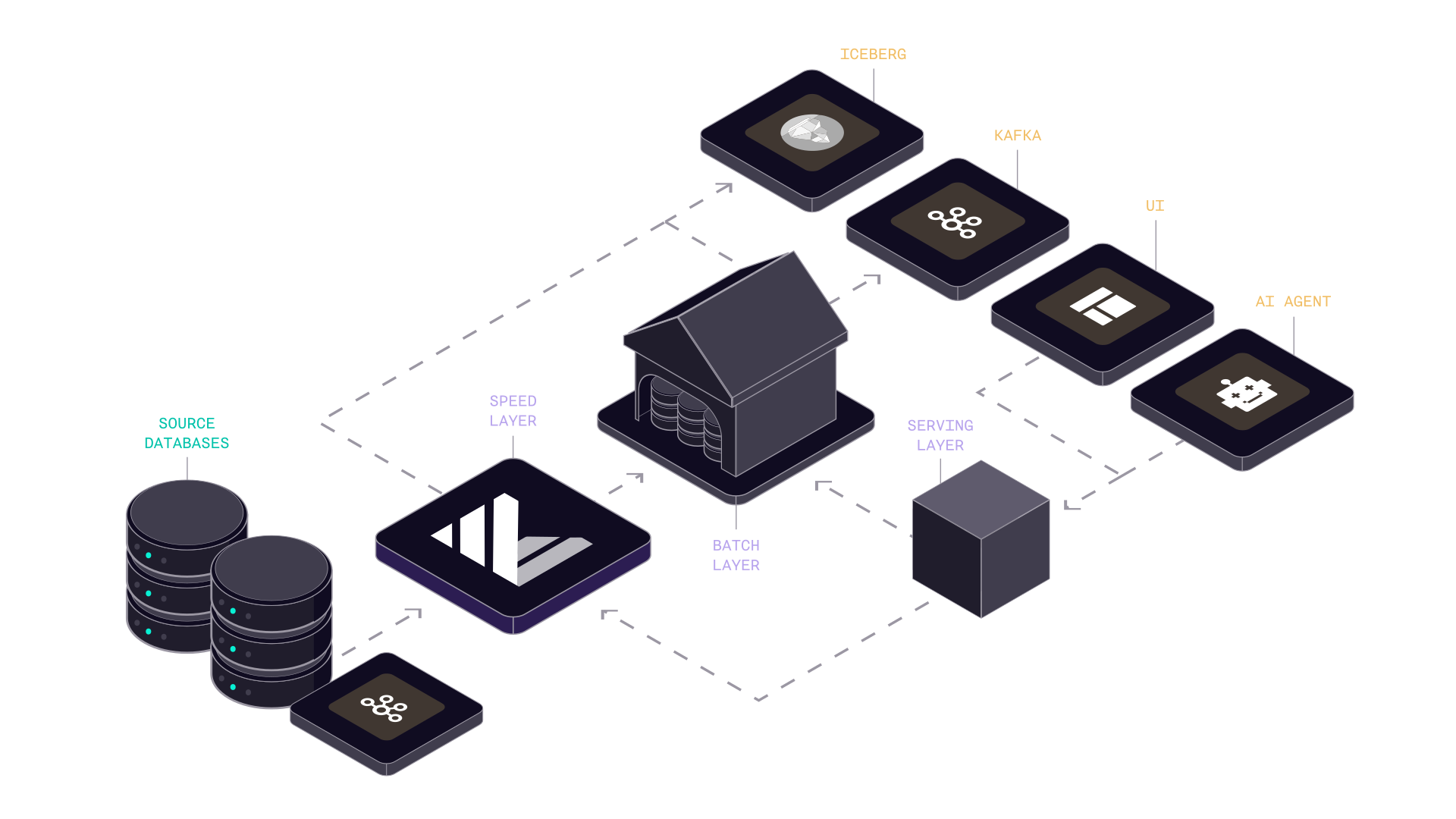
Performance for rule-based systems
Handle complex alerting scenarios with SQL
Implement sophisticated alerting logic using standard SQL constructs. Execute thousands of rules efficiently without creating separate views for each condition.
Address common alerting challenges
Use LATERAL joins to apply rule sets against data streams. Define rules as data in tables rather than separate SQL views. Scale rule execution horizontally across distributed processing nodes.
Maintain rule results incrementally using materialized views. Process inserts, updates, and deletes without full recomputation. Achieve sub-second latency for rule evaluation and notification delivery.
Ensure all rule evaluations reflect the same logical timestamp. Prevent false positives from eventual consistency issues. Guarantee transactional correctness across dependent alerting conditions.
Update rule parameters by modifying data tables. Add new rules without code deployments. Remove obsolete rules and see immediate effects in alerting behavior.
Subscribe to rule result changes using SQL SUBSCRIBE. Stream alerts to Kafka topics for downstream processing. Integrate with existing notification systems via PostgreSQL-compatible interfaces.
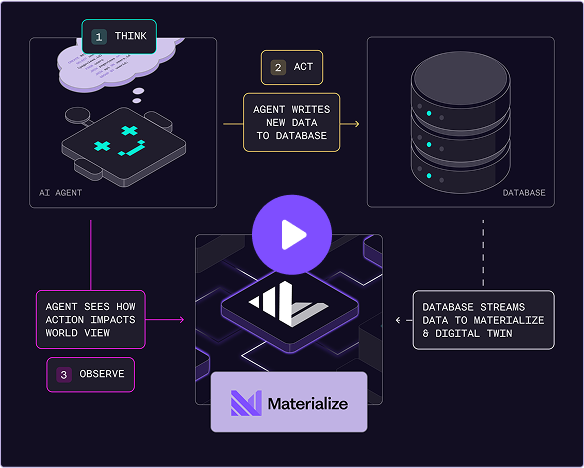
Implement a rules engine with LATERAL joins
Define alerting rules as data and execute them against streaming datasets using SQL. This pattern handles thousands of rules efficiently without requiring separate materialized views for each condition.
Monitor rule performance and alert delivery
Track rule execution latency, alert delivery rates, and system performance metrics. Use built-in observability features to optimize rule logic and identify bottlenecks in alerting pipelines.
Common rule-based alerting patterns
Explore technical approaches for implementing different types of alerting rules using Materialize's streaming SQL capabilities.
Use window functions with temporal filters to evaluate rules over specific time ranges. Implement sliding windows for continuous monitoring or tumbling windows for periodic evaluations. Combine with LATERAL joins for rule-specific time parameters.
Store rule metadata including priority levels and dependency relationships in rule definition tables. Use JOINs to enforce rule execution order and implement cascading alert logic. Handle rule conflicts through priority-based filtering.
Track alert frequency using window functions over alert history. Implement cooldown periods by checking recent alert timestamps. Use state management in materialized views to prevent alert flooding from repeated rule violations.
Maintain rule version history in separate tables with effective date ranges. Implement rule activation/deactivation through status flags. Use temporal queries to rollback to previous rule configurations when needed.
Connect rule-based alerting to your stack
Integrate Materialize's rule execution engine with existing alerting infrastructure using standard protocols and APIs.